
Tested Technologies
Tested Technologies
Technology Security Testing
We test web and mobile applications, APIs, cloud environments, internal infrastructure, AI systems, IoT and embedded devices, as well as industrial OT, ICS and SCADA systems. Based on your objectives and risks, we select the most suitable testing method, security audit or comprehensive Red Teaming exercise.
Book a free consultation

What technologies can we test?
Product security does not depend solely on its user interface. Risks can arise in APIs, cloud configurations, mobile applications, internal networks, device firmware or artificial intelligence systems. We therefore test individual technologies as well as entire interconnected ecosystems.
AI and LLM systems
We test the security of AI applications, chatbots, AI agents and RAG systems. AI penetration testing assesses resilience against prompt injection, jailbreak attacks, sensitive data leakage, model manipulation and misuse of external tools according to the OWASP Top 10 for LLM Applications.
Learn about AI & LLMs
Cloud environments
We assess the security of AWS, Microsoft Azure and Google Cloud Platform environments by simulating real-world attacks. Cloud penetration testing covers IAM, cloud storage, Kubernetes, network rules and publicly exposed services.
Learn about cloud testing
Web applications
We assess the resilience of web applications against attacks such as SQL injection, cross-site scripting (XSS), authentication flaws and privilege escalation. Our web application penetration tests follow the OWASP Web Security Testing Guide and OWASP Top 10, with every finding manually verified.
Learn about web testing
Mobile applications
Mobile application penetration testing for Android and iOS assesses the protection of sensitive data, APIs, server communication and local storage, as well as application resilience against reverse engineering, rooting, jailbreaking and other attacks.
Learn about mobile apps
Network infrastructure and internal systems
We simulate attacks against internal and external infrastructure, including firewalls, VPNs, Active Directory, servers and databases. Network infrastructure penetration testing assesses network configuration, segmentation, privilege escalation and the potential for lateral movement.
Learn about infrastructure
APIs and microservices
API and microservices penetration testing assesses the security of REST, GraphQL and other APIs, including communication between microservices. We test OAuth, JWT, API gateways, authorisation, input validation and API resilience according to the OWASP API Security Top 10.
Learn about APIs
IoT devices
We test the security of IoT and embedded devices, firmware, hardware interfaces, connected applications and cloud services. We assess the risk of unauthorised access, manipulation, data leakage and misuse of update mechanisms.
Learn about IoT device testing
OT, ICS and SCADA systems
We test the security of industrial networks, control systems and manufacturing technologies. We assess segmentation, remote access, industrial protocols and connections between OT environments and corporate IT infrastructure.
Learn about OT system testing
Penetration testing
We assess whether vulnerabilities in your technologies can be exploited and determine the potential impact of a successful attack. Learn how penetration testing works, when to perform it and what types of tests we provide.
Learn about pentesting
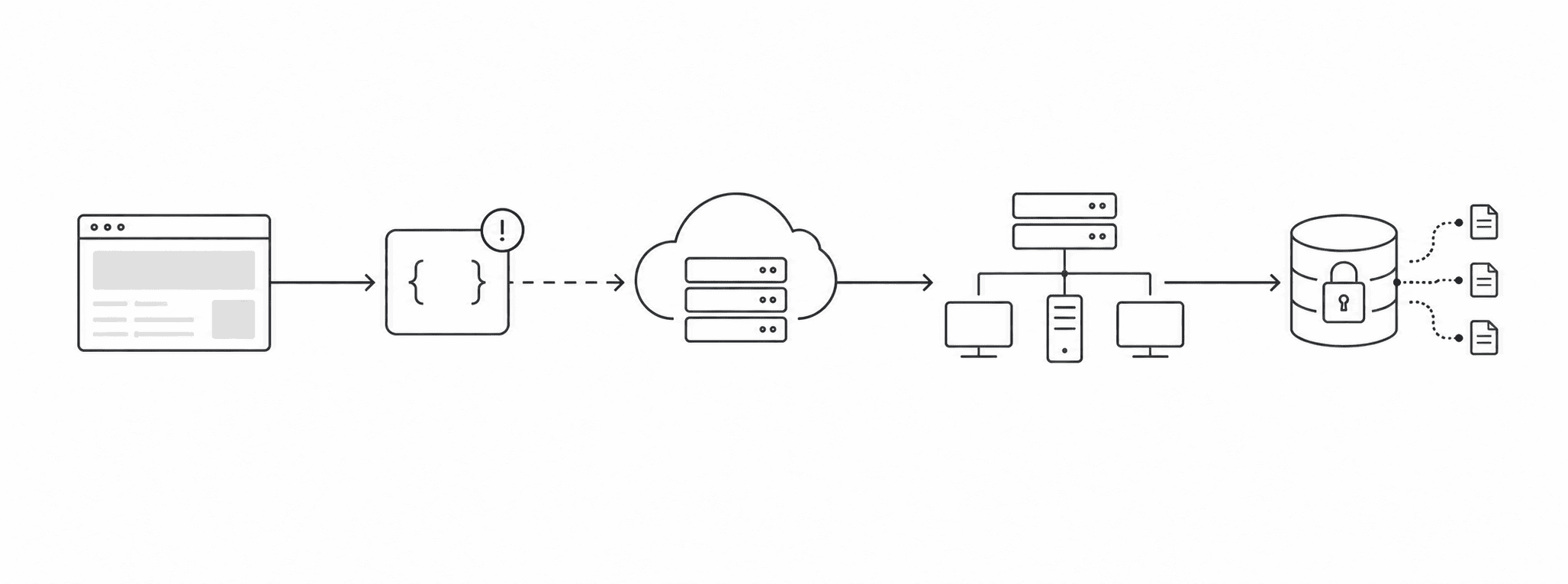
Attackers target the weakest point in your system
Modern products connect applications, APIs, cloud services and infrastructure. A weakness in one component can expose sensitive data or other systems, so we test both the technologies and their connections.
Define the scope of security testing
Not sure what you need to test?
We will help you define the right testing scope
You may know which product or system you want to assess, but its security often depends on additional components. A web or mobile application may be connected to APIs, cloud services, internal infrastructure, user accounts or third-party services. If any of these components are excluded, an attack path may remain undetected.
Discuss the scope of testing
Testing can also include Wi-Fi networks, VPNs and remote access, Active Directory, servers, databases, network devices, privileged accounts, network segmentation and industrial OT, ICS and SCADA systems.
Before the project begins, we map the solution architecture, data flows, user roles, external integrations and key risks. We then determine:
- which technologies and components to include,
- the appropriate type and depth of testing,
- which scenarios present the greatest risk,
- whether connected services and integrations should also be assessed,
- how much time and capacity the testing will require.
The result is a testing scope that reflects your architecture, risks and available resources.
How does technology security testing work?
The exact process depends on the technology, project objectives and selected type of testing. Together, we define a scope that reflects the solution architecture, real-world risks and your security requirements.
01
We map your technologies
We identify applications, APIs, cloud services, infrastructure, devices, user roles and external integrations. We map their connections and data flows to understand the entire technology environment and ensure that important components are not overlooked.
02
We define risks and objectives
Together, we determine what the testing should assess, which systems and data are most important and what impact their compromise could have. We consider critical processes, potential attack scenarios, regulatory obligations and your business priorities.
03
We select the testing method
Based on the technology, identified risks and desired outcome, we recommend the most appropriate assessment. This may include penetration testing, a configuration or security audit, AI testing, social engineering or comprehensive Red Teaming combining multiple attack methods.
04
We test security in practice
Our ethical hackers assess selected technologies, configurations and security controls. We combine automated tools with manual testing and realistic scenarios to uncover vulnerabilities and attack paths that a standard scan may not detect.
05
We deliver findings and recommendations
We present the results in a clear format tailored to the type of testing. We explain the identified risks, determine their severity and recommend specific measures. Depending on the project scope, we can also verify the effectiveness of implemented fixes.
When should you test your technologies?
Security testing should not begin only after an incident. Vulnerabilities can arise during development, updates, architectural changes or the connection of a new service. Timely testing helps uncover them before they threaten users, sensitive data or business operations. We particularly recommend testing:
Testing before launch helps uncover vulnerabilities before customers or employees begin using the system. Fixes can usually be implemented faster and at a lower cost at this stage.
New features and code changes can introduce vulnerabilities into a previously secure application. Testing verifies whether the update has affected authentication, permissions, data processing or communication with other systems.
System relocation, network architecture changes or cloud migration can lead to misconfigurations and unintentionally exposed services. Testing assesses the new environment and its connections to existing infrastructure.
A new API, external integration or third-party service expands the attack surface. We assess access controls, communication security and risks arising from connections between individual systems.
AI applications, chatbots, agents and RAG systems may be vulnerable to prompt injection, data leakage or misuse of connected tools. Testing helps identify these risks before the system becomes available to users.
Device security depends on hardware, firmware, communication interfaces, applications and cloud services. Early testing makes it possible to address vulnerabilities before manufacturing or distribution begins.
Following an attack or suspicious activity, it is important to verify that the cause of the incident has been removed and that no additional attack paths remain. Testing also helps assess the effectiveness of newly introduced measures.
Security testing can identify technical weaknesses that could affect the outcome of an audit or certification. It can also provide evidence of the effectiveness of selected security controls.
Technologies, threats and attacker techniques are constantly evolving. Regular testing helps identify new vulnerabilities and confirms whether existing security controls remain effective.
Testing and regulatory requirements
We verify security controls in practice
Legislation, security standards and customer requirements increasingly demand regular assessment of technologies and implemented security controls. Depending on the specific obligations, a penetration test, security audit, configuration review or more comprehensive resilience testing may be appropriate.
Discuss your testing requirements
We can adapt the scope and testing method to the requirements of frameworks such as:
- NIS2,
- DORA,
- Cyber Resilience Act,
- ISO/IEC 27001,
- PCI DSS,
- EU AI Act.
Specific requirements depend on the type of organisation, product, technologies used and regulatory status. Testing results can provide technical evidence of the security level and effectiveness of implemented controls. However, they do not replace legal assessment or a comprehensive compliance audit.
What will you receive after testing?
We tailor the deliverables to the type of testing, technologies used and project objectives. You will receive more than a list of findings. We also explain their context and potential impact and provide specific recommendations for both technical teams and management.
01
Technical findings
We document identified vulnerabilities, misconfigurations and weaknesses in security controls. Each finding includes supporting evidence, a severity rating and the technical information required to understand and resolve it.
02
Attack path analysis
We explain how individual weaknesses can affect the security of the entire solution. Where relevant, we also demonstrate how an attacker could combine them and what level of access to systems or data they could achieve.
03
Executive summary
Management receives a clear overview of the most important findings, their potential business impact and recommended priorities. The summary supports informed decision-making without requiring detailed technical knowledge.
04
Remediation recommendations
For each relevant finding, we recommend specific steps to reduce the risk or remove the vulnerability. We tailor our recommendations to the tested technologies, solution architecture and capabilities of your technical team.
05
Consultation and follow-up verification
Our experts present the results, explain their context and answer your questions. We help you prioritise remediation and, depending on the project, can verify whether the recommended measures have been implemented correctly.

Experienced ethical hackers behind every security test
We apply experience from penetration tests, audits and Red Teaming when assessing different technologies. Automated tools are complemented by manual testing to uncover hidden vulnerabilities and attack paths.
Book a free consultation
Why Citadelo?
Download the free report
We assess the security of web and mobile applications, APIs, cloud environments, infrastructure, AI, IoT devices and industrial OT, ICS and SCADA systems. Based on your objectives, we select the most appropriate type of testing, audit or Red Teaming exercise.
We complete more than 600 security projects each year. In 2025, we identified 3,293 findings, and our experts have been credited with more than 20 CVEs. We verify every finding, explain its impact and recommend a specific solution.
The most important insights from our real-world projects are available in our free Ethical Hacker Report.
Frequently asked questions
Answers to the most common questions about tested technologies, defining the right scope, the security testing process and its results.
Start with systems whose compromise would have the greatest impact on operations, customers or sensitive data. These are typically publicly accessible applications, APIs, cloud services, remote access points or critical internal infrastructure. If you are unsure, we can help you prioritise based on your architecture and risks.
Yes. A web or mobile application may be connected to APIs, cloud services, internal infrastructure or external systems. Testing multiple technologies together also helps identify vulnerabilities at their interfaces and potential attack paths across the entire solution.
Not always. We can test without access to the source code from the perspective of an external attacker. If you provide the code, we can better understand the application and focus on vulnerabilities that may be more difficult to uncover during standard external testing.
Yes, provided the testing can be performed safely and without creating an unreasonable operational risk. We define permitted methods, testing times, contact persons and excluded systems in advance. For sensitive technologies, we can use a test environment or limit the scope.
Some testing techniques can increase system load or trigger unusual behaviour. We therefore assess the risks in advance and adapt the testing to the sensitivity of the environment. We do not perform potentially disruptive actions without approval and use a more cautious approach for critical systems.
The duration depends on the type of technology, size and complexity of the environment, required testing depth and available documentation. A smaller test may take several days, while a more extensive project may require several weeks. We provide an accurate estimate after the initial consultation and scope definition.
The frequency depends on the level of risk, pace of change and regulatory requirements. We recommend regular testing and reassessment after a major update, architectural change, connection of a new service or security incident.
Yes. After remediation, we can verify whether the vulnerabilities have been removed correctly and whether the implemented changes have introduced any additional security risks. The retest provides an updated status for each finding.
During the initial consultation, we review the technologies, their connections, sensitive data, key risks and the desired outcome. Based on this information, we recommend a penetration test, security audit, configuration review, Red Teaming exercise or a combination of approaches.
A penetration test practically verifies whether vulnerabilities can be exploited and what impact a successful attack would have. A security audit focuses primarily on configurations, implemented controls and compliance with the requirements of a selected methodology or standard.
Red Teaming is suitable when you want to assess the resilience of the organisation as a whole rather than the security of a single technology. It simulates the methods of a real attacker and may combine digital attacks, social engineering and physical intrusion. It also assesses whether the security team can detect, stop and manage the attack.

Are you interested in boosting your company’s security?
Book a free 15 min. consultation call with us to find out how we can help you do that.
Book now

Sign up for our newsletter for all the important cybersecurity and ethical hacking news.
© 2024 citadelo AG. All rights reserved.


